
Rohnert Park City Directory Collections
A good Rohnert Park city directory search starts with the collection and its date, not the modern city label. Sonoma County Library digital collections identify county residents and businesses from the 1870s into the early 1950s. Newspapers, census schedules, court ledgers, and oral histories fill the short gap between the last named pre-city directory and the later community record.
| Collection | Years | Where held | Access |
|---|---|---|---|
| Sonoma County directory collection | 1870s to early 1950s | Sonoma County Library digital collections and History & Genealogy Library | Catalog, scans, and staff help |
| California Polk-Husted Santa Rosa, Petaluma and Sonoma County Directory | 1909-10 | Library digital and genealogy references | Online collection or library assistance |
| Pacific Telephone and Telegraph Sonoma-Lake-Mendocino directories | 1921 through the 1930s | History & Genealogy Library | Local collection and reader access |
| Press Democrat Santa Rosa and Petaluma directory | 1924 | Sonoma County Library | Catalog or local-history request |
| Farmers Directory Co. Sonoma County | 1922-23 | Sonoma County Library digital item | 275-page scan online |
| Petaluma, Cotati and Penngrove A-to-Z Directory | 1954-55 | Sonoma County Library digital item | Free digital item |
| Rohnert Park and Cotati newspaper microfilm | 1958-1992, title-specific | Library branch and History & Genealogy Library | Microfilm search and staff help |
| Federal census schedules | 1790-1950 public; 1960 due 2032 | NARA, HeritageQuest, or Ancestry | Released schedules and database access |
| Sonoma County Municipal Court ledgers | 1952-1980 | Sonoma County Archives finding aid | Staff or offsite item request |
| Rohnert Park oral histories | 2020-2022 | Library digital collections | Online interviews and metadata |
No itemized post-1955 Rohnert Park city or criss-cross directory exists in these collections. That gap matters. Treat any modern directory title copied from a nearby county volume with doubt, and never present a neighboring city's reverse section as a Rohnert Park address source.
Before Rohnert Park Had a City Directory
Rohnert Park incorporated in 1962. Master planning came in 1954, and the first infrastructure and houses followed in 1957. Before that, officials recorded residents under Cotati, Rancho Cotate, Penngrove, Santa Rosa Township, or rural Sonoma County. A search limited to the modern city name can miss the household entirely. So change the place term as the address moves backward and keep the legal description, subdivision, or APN history beside each printed clue.
Rancho Cotate was divided into 5-20 acre parcels starting in 1892. Waldo Emerson Rohnert bought a major tract in 1929. A 1955 option on about 2,700 acres set up the planned neighborhood pattern. The 1954-55 A-to-Z volume therefore stands at the edge of development as a bridge. It is not a post-incorporation Rohnert Park directory. Its names, streets, businesses, and predecessor geography can still anchor a family trail.
Treat any city directory as a dated source. It shows that a name appeared in a particular place and year. It cannot alone prove a present address, a complete family group, or a continuous residence.
Rohnert Park City Directory Publishers
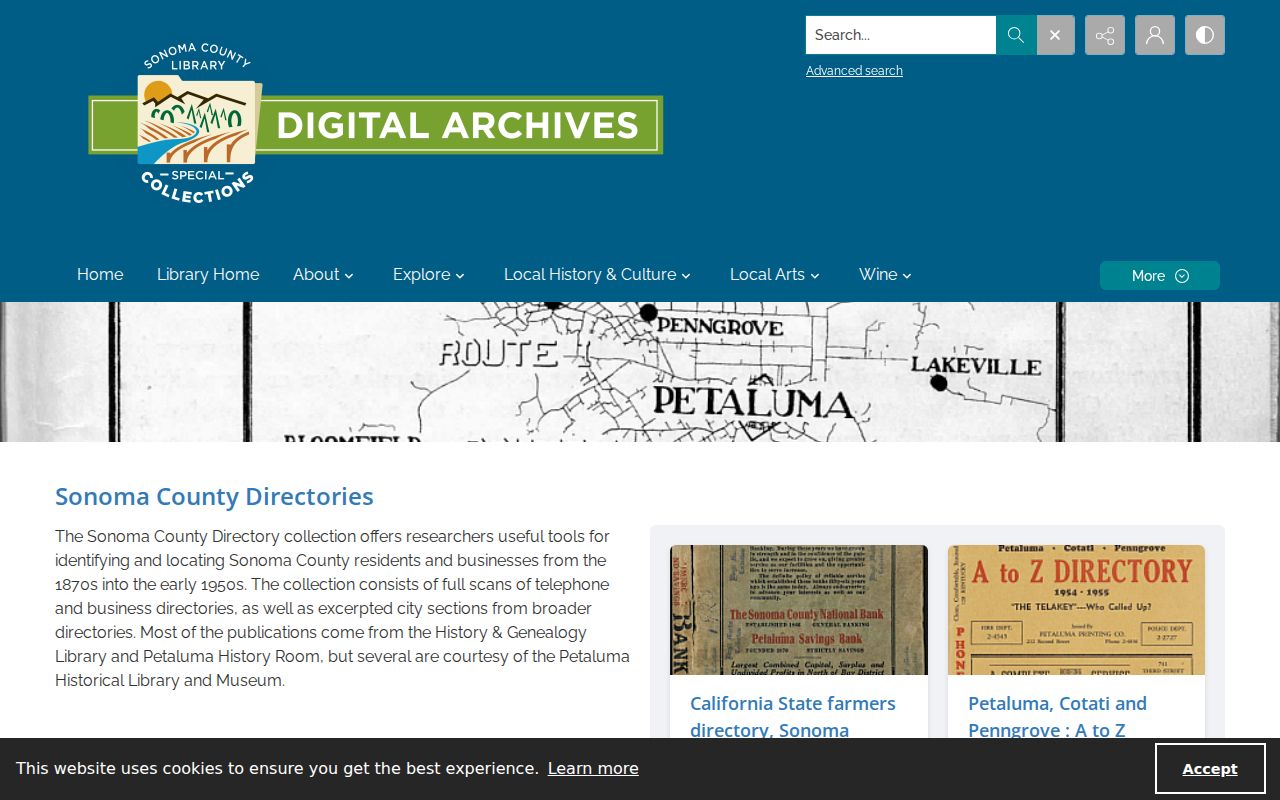
Publishers came and went, and each left a different trail. The Sonoma County directories collection identifies the publishers and places that make a Rohnert Park city directory search possible before the city had a long printed run of its own. California Polk-Husted issued the 1909-10 Santa Rosa, Petaluma and Sonoma County volume. Pacific Telephone and Telegraph supplied Sonoma-Lake-Mendocino directories from 1921 through the 1930s. Press Democrat issued a 1924 Santa Rosa and Petaluma directory. Farmers Directory Co. supplied the 1922-23 county directory. The collection page points to the county-directory shelf that holds these predecessor-place sources.
Publisher changes affect abbreviations and coverage. They also affect whether entries are organized by name, street, telephone, or business. Photograph or note the title page and abbreviation key before reading names. A surname that looks absent may sit under a shortened form. It can also hide under a spouse, a business, or an earlier community label. Note: Record the title page and legend before comparing names. Publishers used different abbreviations and coverage.
Rohnert Park's 1954-55 A-to-Z Bridge
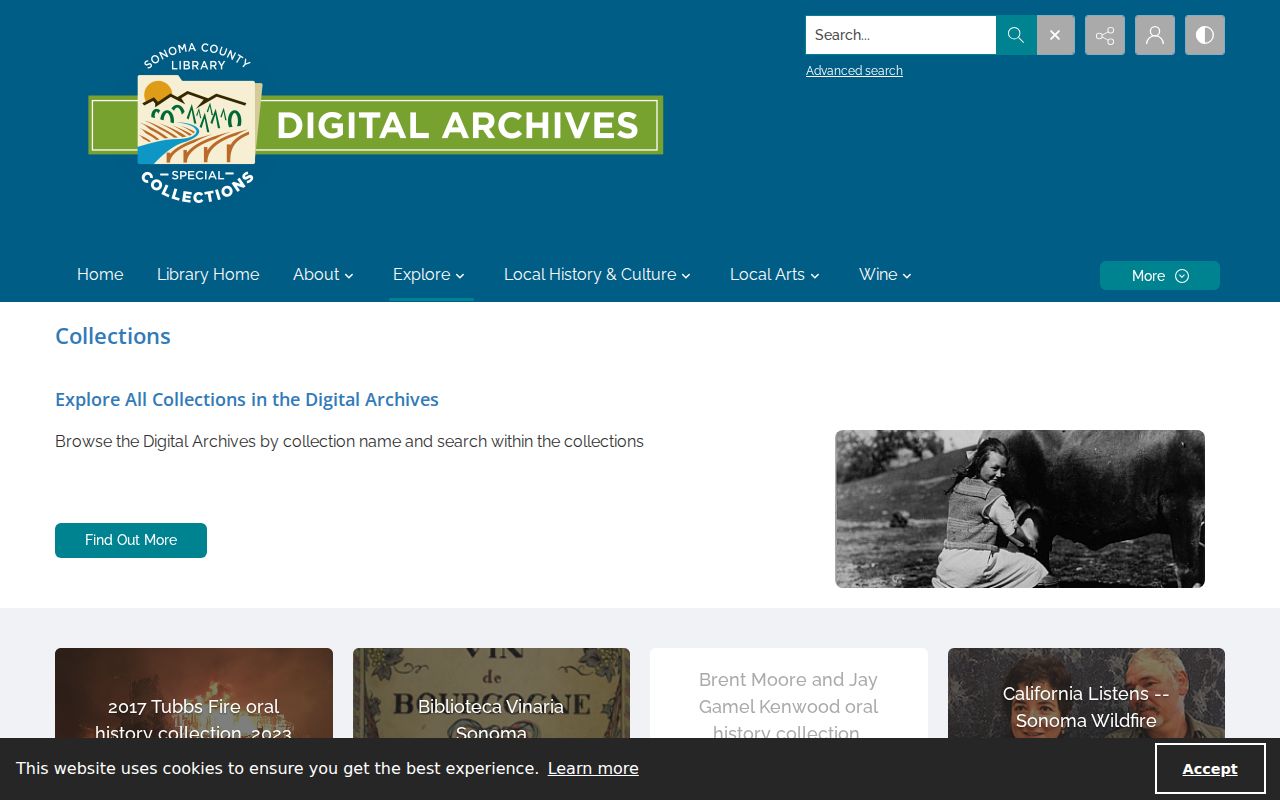
The Petaluma, Cotati and Penngrove A-to-Z Directory for 1954-55 is the closest named directory item. It predates Rohnert Park's planned-city buildout. Later streets occupy part of the same broad area, but that does not turn it into a Rohnert Park volume. Read each printed place, street, and address exactly as the publication presents it. The digital collections view is the library access route. Use it for locating that bridge and related historical material.
Pair a 1954-55 name with a deed, newspaper notice, farm or business reference, school material, or the 1950 census. A 1960 census household is not yet public under the 72-year rule and is due for release in 2032. The early planned-city years therefore call for several dated sources. Note: The 1954-55 volume is a predecessor-place bridge, not proof of a post-incorporation Rohnert Park directory run.
Reading a Rohnert Park Directory Entry
No open scan of an actual Rohnert Park directory entry is published for direct inspection. The inventory below is a period-entry schema to check against the local volume's legend, not a claim that every field appears in every Sonoma County edition. Log a Rohnert Park city directory entry exactly as printed. Keep the initials, marks, abbreviations, and page number.
| Surname | Family name as printed, including spelling variants. |
|---|---|
| Given name or initial | Personal name, initials, suffix, or abbreviated form. |
| Spouse or relationship note | Parentheses, widow notation, or another relationship mark when present. |
| Occupation or title | Period descriptive field; not proof of a current role. |
| Residence address | House number and street, with the publication's own abbreviation key. |
| Business address | Separate address line when the volume prints one. |
| Owner or residence mark | Use only if the volume defines such a symbol or notation. |
| Cross-reference and page | Related entry, street section, telephone line, publication year, and page. |
Never turn a schema into an invented local record. Capture the title page, publication year, printed place, page, and image or scan citation with each entry. OCR misreads names, especially across the local newspaper sequence, so an image check belongs in the source trail.
Rohnert Park Directory Terms
Historical city directories use terms that change the search order. A name section and a street section may share one volume. A householder index can point to a head of household without listing every person connected to the address.
- Criss-cross directory
- An address-order list, usually street then house number, with a printed occupant or telephone entry when the publication includes one.
- Householder index
- A name or family index used to locate a household entry; it does not promise a complete family roster.
- Abbreviation key
- The legend that defines marks for residence, business, relationships, titles, or other period shorthand.
- Directory image
- A scan or page view that lets the researcher check the printed spelling and context instead of relying on OCR.
Write down the term's meaning from the volume itself. A mark in one Rohnert Park city directory can carry a different meaning in another publisher's edition.
Rohnert Park Newspapers Fill 1958-1992
Local newspapers carry Rohnert Park from 1958 through 1992. Between the 1954-55 city directory and the later digital era, they are the strongest bridge. The Sonoma County Library microfilm guide names the runs in order. Rohnert Park Press and Central Sonoma News ran from 1958 to 1966. World of Cotati and Rohnert Park followed, covering 1965 to 1967. World of Sonoma County then ran through 1969. Rohnert Park Cotati Clarion lasted the longest, from 1969 to 1992. Shorter runs include Rohnert Park News, 1973 to 1975. Rohnert Park-Cotati Times ran from 1977 to 1982. Cotati Call covered 1974 to 1977.
The payoff comes from the small items. Births, marriages, and deaths appear as notices. Legal filings, school events, club news, sports, and property advertisements all surface too. A single notice can tie a name to an address in the city directory. It can also anchor a family group. Treat each one as dated and secondary, though. Log the title, date, page, and image for every find. OCR misreads surnames often, especially on worn type. Inspect the actual microfilm frame before trusting a transcript.
Two free extras strengthen a Rohnert Park lookup. The library's Local History Index needs no registration. It links names, places, organizations, and events to citations, sometimes with full newspaper copies attached. HeritageHub searches obituaries and death notices with filters for date, location, and source. Both enrich a residents directory trail. Neither replaces a certified or primary record.
Note: Keep each citation's title, date, page, and image because OCR can alter local surnames.
Tracing Rohnert Park Households
A city directory captures one printed moment. Household tracing works when that moment is paired with an address key, a census year, and a second source. Orient the property first. Use a current APN or legal description to fix the location, then let the historical collection supply the people and predecessor place names.
- Fix the address or APN with current assessor or GIS evidence and note the subdivision or legal description.
- Search each available directory by name and then by street, logging the exact spelling, address, publication year, page, and legend mark.
- Search the local newspaper runs for the name and address, then save the date, title, page, and image citation.
- Match 1950 or earlier clues to a released federal census schedule. Remember that the 1960 schedule will not be public until 2032.
- Use Recorder deeds, probate, obituaries, school or yearbook material, voter records available through the lawful channel, and permits to bridge missing years.
- Separate ownership from residence. A deed can transfer land, while a directory, census schedule, or dated notice supplies the household evidence.
A name vanishes for many reasons. A move, a death, an omission, a changed publication area, or a spelling shift can all explain it. Compare adjacent years first.
Rohnert Park Library and Archive Access
The Sonoma County History and Genealogy Library at 725 Third Street in Santa Rosa is the specialized public repository. Its catalog, finding aids, digital collections, newspapers, maps, photographs, oral histories, and local publications all support a Rohnert Park city directory search. HeritageQuest comes with a library card and PIN. It includes census images and indexes from 1790-1930, local-history titles, tax lists, city directories, church and probate records, and PERSI. Ancestry Library Edition is typically used inside the library. Check the current database page for availability.
Sonoma County Archives is the official repository for many county, court, planning, map, and board records. Two online tools open the shelves. The library's digitized archival collections add online oral histories and related material, while the archival finding-aid catalog helps identify holdings. Offsite material takes advance planning. Requests should include the collection, number, box, or volume. The archival catalog includes the 1952-1980 Municipal Court collection, and the library holds local newspaper and directory access. Sonoma State University Special Collections sits in the Jean and Charles Schulz Information Center at 1801 E Cotati Avenue, Rohnert Park. It holds University Archives from 1961, plus student newspapers, yearbooks, catalogs, scrapbooks, photographs, clubs, and oral histories. Appointments are made at 707-664-2375. The university publishes no public alumni directory.
Federal census, naturalization, and military material follows another route. The National Archives at San Francisco serves as that federal regional point. Its holdings do not turn a historical directory into a current resident list. They can help bridge the older geography.
Note: Request offsite archive material with its collection, box, or volume details before a research visit.
Rohnert Park oral histories from 2020 and the 2022 60th Anniversary project preserve first-person community memory. They explain subdivision names and city chronology. They do not replace an official identity record. Nor do they create a current household roster.
Rohnert Park City Directory Timeline
The sequence shifts source type over time. A young planned city sits on a much older county record landscape, which explains why a Rohnert Park city directory search moves between directory, census, and archive material.
- 1870s to early 1950s: Sonoma County directory collection identifies residents and businesses under older community names, including the 1909-10 Polk-Husted volume.
- 1921 through the 1930s: Pacific Telephone and Telegraph directories add regional telephone and address context.
- 1922-24: Farmers Directory Co. and Press Democrat volumes add named county and city editions.
- 1954-55: the Petaluma, Cotati and Penngrove A-to-Z volume forms the immediate predevelopment bridge.
- 1957-1962: first houses and incorporation create the modern Rohnert Park geography.
- 1958-1992: local newspaper microfilm carries names, addresses, notices, and community links across the city-building decades.
- 2020-2022: digitized Rohnert Park oral histories preserve living memory for a city with a short printed-directory era.
The 1960 census gap remains. Until its scheduled 2032 release, local newspapers, deeds, directories, permits, voter material, school records, and family sources must carry the early-city years. Those years depend on them.